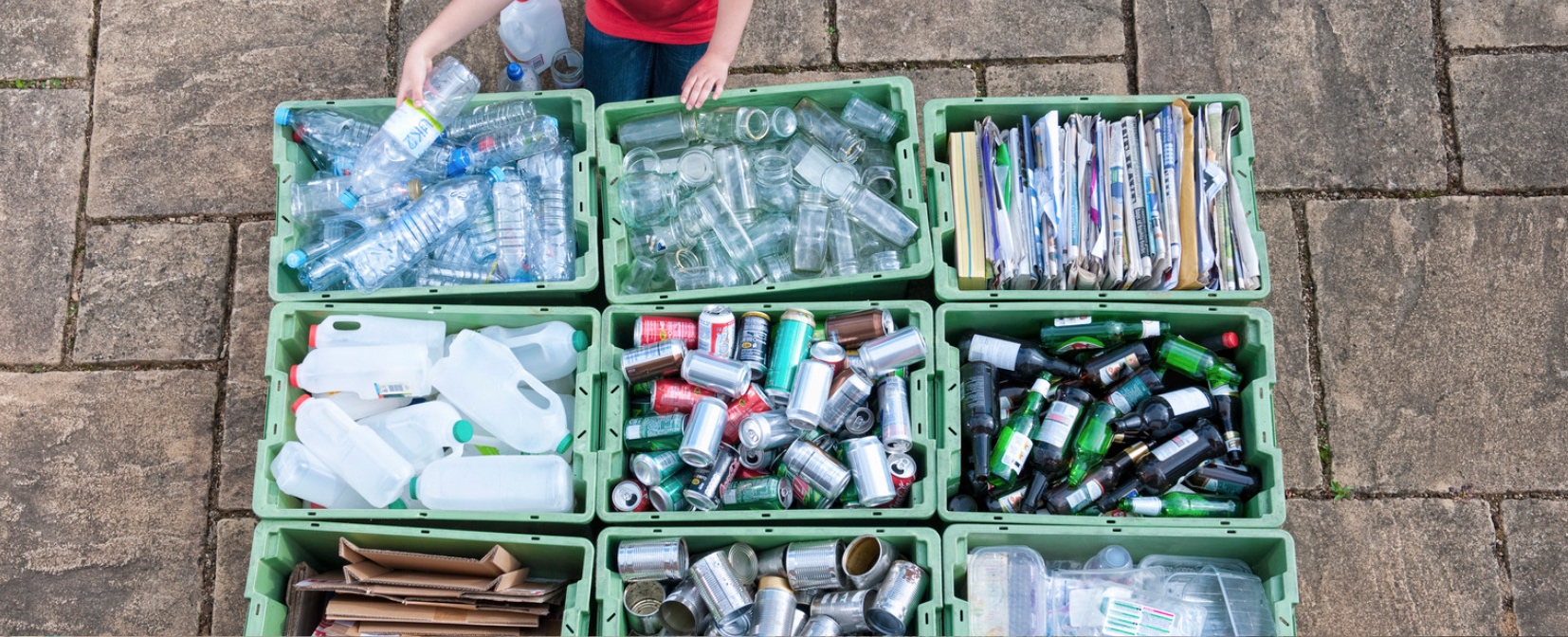
In an era where sustainability has become a critical concern, recycling and waste management have emerged as essential components of responsible living. As the global population continues to rise, so does the consumption of natural resources, leading to increased waste generation. This escalating issue necessitates effective waste management strategies to mitigate environmental impacts and promote sustainable development. By investing in robust recycling systems and waste management practices, communities can significantly reduce their ecological footprint and conserve vital resources for future generations.
The Importance of Recycling
Recycling is a cornerstone of sustainable waste management. It involves the process of converting waste materials into new, usable products, thereby reducing the need for raw materials and minimizing landfill use. Here are key reasons why recycling is indispensable:
- Conserves natural resources like timber, water, and minerals.
- Reduces energy consumption and greenhouse gas emissions.
- Decreases pollution by minimizing waste production.
- Supports economic growth through job creation in recycling industries.
To implement effective recycling practices, communities can discover expert strategies here that are tailored to their specific needs.
Efficient Waste Management Practices
Waste management encompasses the collection, transportation, processing, and disposal of waste materials. Efficient waste management is crucial to reducing the environmental impact of waste. Key practices include:
- Adopting waste segregation at the source to enhance recycling rates.
- Utilizing composting to manage organic waste effectively.
- Implementing waste-to-energy initiatives to transform waste into renewable energy.
- Encouraging community participation in cleanup and education programs.
Communities aiming to enhance their waste management systems can learn about our tailored solutions and integrate them into their existing frameworks.
Environmental and Economic Benefits
Environmental Impact
The environmental benefits of recycling and waste management are profound. Properly managed waste reduces the release of harmful substances into the environment, thus protecting ecosystems and biodiversity. Recycling conserves energy and reduces emissions associated with the extraction and processing of virgin materials.
Economic Impact
From an economic perspective, recycling and waste management generate numerous opportunities. They create jobs in collection, sorting, processing, and selling recycled materials. Furthermore, by reducing the costs associated with waste disposal, communities can allocate resources more efficiently. To explore advanced guides and tips on maximizing these benefits, interested parties can access comprehensive resources.
Conclusion
The integration of recycling and effective waste management into daily life is a vital step towards achieving sustainable living. These practices not only conserve natural resources and reduce environmental degradation but also bolster economic development through job creation and cost savings. As awareness and technology advance, communities worldwide can find out more about this approach and implement innovative solutions tailored to their unique needs. By prioritizing recycling and waste management, we pave the way for a healthier, more sustainable planet.