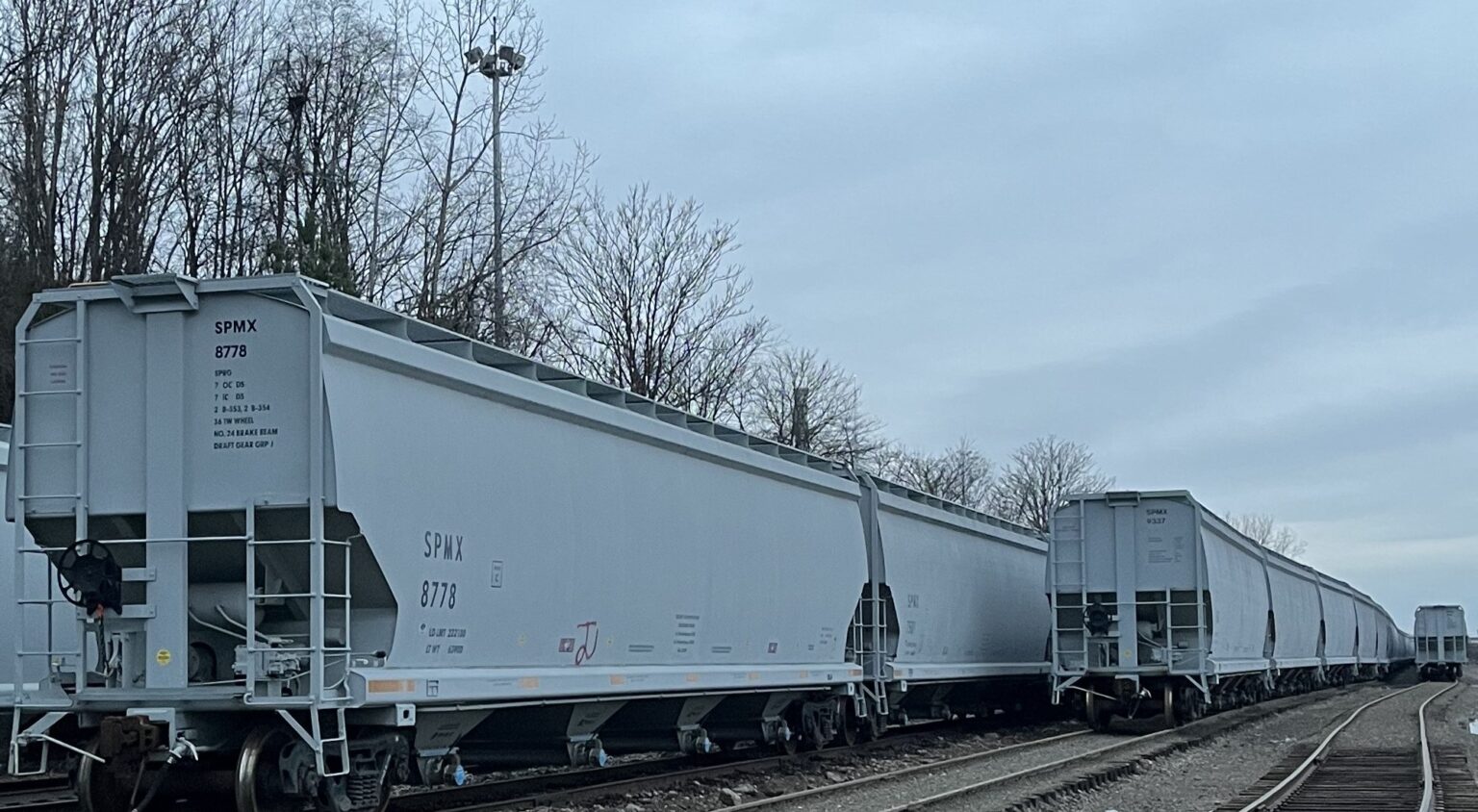
In today’s fast-paced global economy, businesses are constantly seeking efficient and cost-effective logistics solutions to gain a competitive edge. Rail freight emerges as a viable option, offering numerous advantages over other modes of transportation. With the growing need for sustainability and reliability, streamlined train freight solutions provide businesses with a strategic alternative that addresses modern logistical challenges. The integration of technology and network optimization further enhances the value of rail freight, making it an indispensable component of supply chain strategies.
The Advantages of Rail Freight
Rail freight offers a plethora of benefits for businesses looking to optimize their supply chain operations. Here are some key advantages:
- Cost Efficiency: Rail transport is often more economical for long-distance shipping, reducing overall freight costs.
- Environmentally Friendly: Trains emit less carbon dioxide compared to trucks, contributing to lower environmental impacts.
- Reliability and Security: Rail networks provide consistent schedules and have lower accident rates, ensuring the safe delivery of goods.
- Capacity and Flexibility: Trains can carry large volumes, offering flexibility to adjust to varying shipment sizes.
Learn about our tailored solutions to improve your logistics strategy here.
Technological Integration in Rail Freight
The adoption of cutting-edge technology in rail freight enhances operational efficiency and service quality. Key technological advancements include:
- Real-Time Tracking: GPS and IoT devices provide real-time tracking, enabling businesses to monitor shipments closely.
- Automated Systems: Automation in loading and unloading processes reduces labor costs and improves speed.
- Data Analytics: Advanced analytics offer insights into supply chain performance, helping to optimize routes and schedules.
Discover expert strategies here to leverage technology in rail freight.
Optimizing Rail Freight Networks
Effective network optimization is crucial for maximizing the benefits of rail freight. Businesses can achieve this through:
- Strategic Hub Locations: Placing hubs in optimal locations reduces transit times and costs.
- Collaborative Partnerships: Partnering with rail service providers can enhance service offerings and flexibility.
- Diversified Routes: Utilizing multiple routes ensures continuity in case of disruptions.
Find out more about this approach to network optimization here.
Implementing Sustainable Practices
Sustainability is at the forefront of modern business strategies, and rail freight supports this through its eco-friendly nature. Businesses can further enhance sustainability by:
- Reducing Carbon Footprint: Prioritizing rail freight over road reduces greenhouse gas emissions.
- Using Renewable Energy: Investing in electric and hybrid train technologies.
- Recycling and Reusing Materials: Implementing practices that minimize waste generation during transport.
Explore advanced guides and tips on sustainable rail freight practices here.
Conclusion
As businesses navigate the complexities of modern logistics, streamlined train freight solutions offer a reliable and sustainable option. Through technological advancements, optimized networks, and sustainable practices, rail freight not only meets current demands but also positions businesses for future growth. By integrating these strategies, companies can enhance their supply chain efficiency and contribute positively to environmental sustainability. To further refine these strategies and explore tailored solutions, businesses are encouraged to learn more about these approaches.