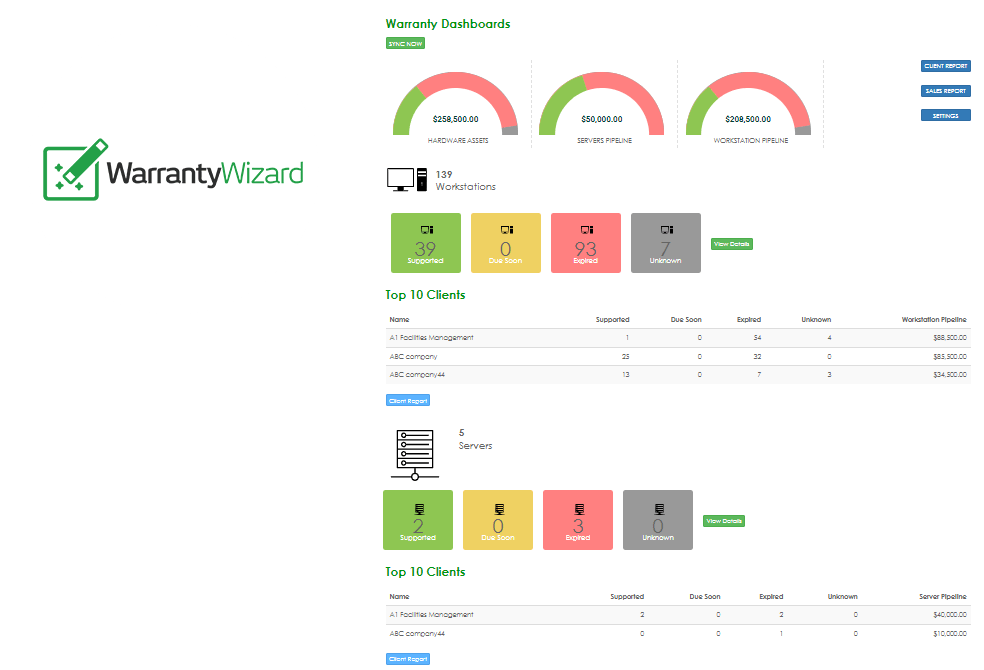
Managing software assets efficiently is crucial in today’s fast-paced business environment. As organizations grow, the complexity of managing software assets increases, leading to higher costs and potential compliance issues. Utilizing lifecycle asset management software is an effective strategy to streamline operations, ensure compliance, and optimize software utilization. This article explores how software asset lifecycle management tools can simplify operations and enhance organizational efficiency.
Understanding Software Asset Lifecycle Management
Software Asset Lifecycle Management (SALM) involves the comprehensive management of software assets from procurement to retirement. This process encompasses various stages, including acquisition, deployment, usage, maintenance, and disposal. Effective SALM ensures that software assets are utilized optimally, reducing waste and ensuring compliance with licensing agreements.
Key Components of SALM Tools
- Inventory Management: Tracking all software assets within the organization.
- License Compliance: Ensuring that software usage aligns with licensing agreements.
- Cost Management: Monitoring and optimizing software-related expenses.
- Lifecycle Tracking: Managing each stage of a software asset’s lifecycle efficiently.
Benefits of Implementing Software Asset Lifecycle Management
Implementing software asset lifecycle management it asset lifecycle management software offers numerous advantages, enhancing both operational efficiency and financial performance.
Cost Reduction
By accurately tracking software usage and optimizing licenses, organizations can significantly reduce costs. Unused or underutilized software licenses can be identified and either reassigned or discontinued, ensuring that expenditures align with actual needs.
Improved Compliance
Compliance with software licensing agreements is critical to avoiding legal penalties and fines. SALM tools provide detailed insights into software usage patterns, ensuring that organizations remain compliant with all applicable regulations.
Enhanced Efficiency
Automating the management of software assets frees up valuable time for IT staff, allowing them to focus on more strategic initiatives. This automation leads to improved efficiency and can contribute to faster decision-making processes.
Implementing SALM Tools: Best Practices
The successful implementation of SALM tools requires careful planning and execution. Here are some best practices to consider:
- Conduct a Thorough Inventory: Understand the current software landscape before implementation.
- Set Clear Objectives: Define what success looks like in terms of cost savings, compliance, and operational efficiency.
- Engage Stakeholders: Involve all relevant departments to ensure that the tool meets organizational needs.
- Continuous Monitoring and Optimization: Regularly review and adjust strategies to align with changing business needs.
Conclusion
In an era where technology drives business success, managing software assets effectively is more important than ever. Utilizing lifecycle asset management software can significantly enhance operational efficiency, reduce costs, and ensure compliance with licensing agreements. By implementing best practices and leveraging advanced SALM tools, organizations can navigate the complexities of software asset management with confidence and achieve long-term success.