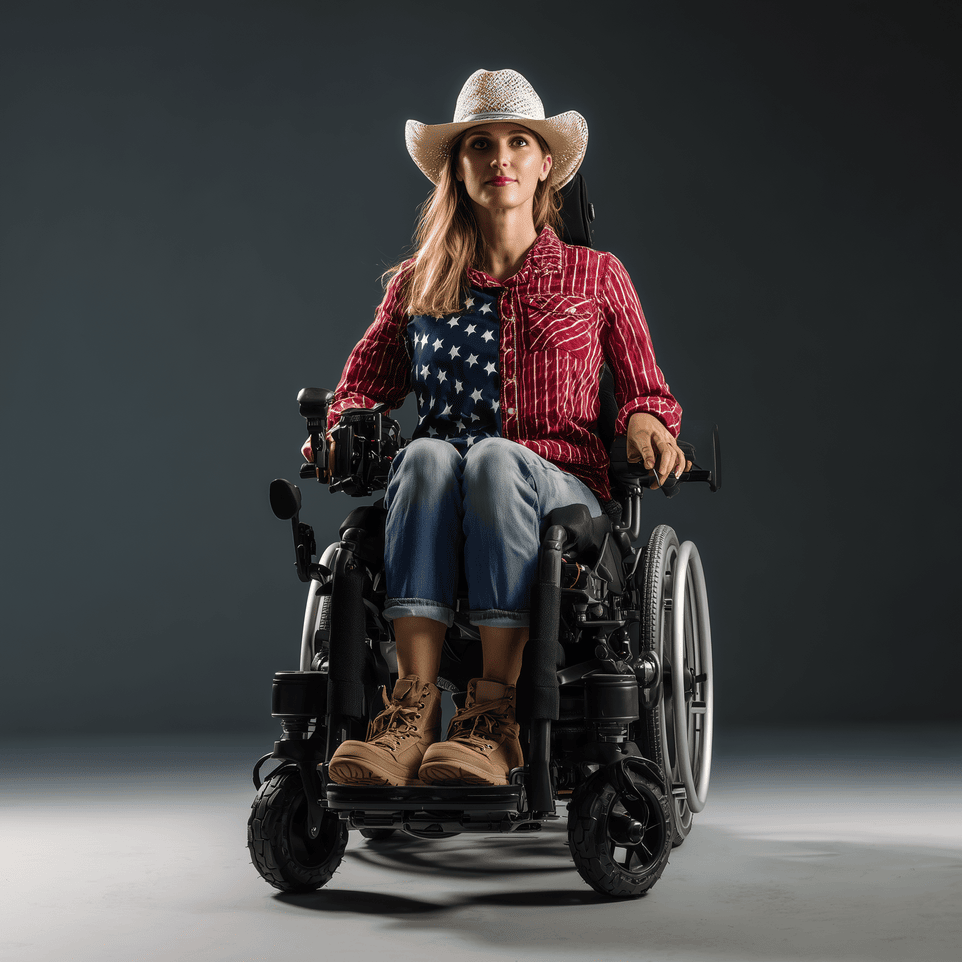
Restoring independence for veterans who face mobility challenges is a critical mission that encompasses an array of support programs designed to empower and enhance the quality of life for those who have served. These programs are pivotal in helping veterans regain autonomy, providing them with the necessary tools and resources to navigate their environments effectively. Understanding the scope and impact of these initiatives is essential for appreciating their role in transforming lives.
Understanding Veteran Mobility Support Programs
Veteran mobility support programs are specifically tailored to address the unique needs of veterans with disabilities, particularly those who have sustained injuries during their service. These programs encompass a variety of services, including:
- Provision of adaptive equipment such as wheelchairs, scooters, and prosthetics.
- Home modifications to enhance accessibility and safety.
- Transportation services to facilitate travel for medical appointments and daily activities.
- Rehabilitation and therapy services to support physical and mental health recovery.
To delve deeper into the different types of support available, find additional information here.
The Impact of Mobility Support on Veteran Independence
Mobility support programs significantly impact the lives of veterans by:
- Enhancing their ability to perform daily tasks independently.
- Reducing the risk of isolation by enabling social interaction and community involvement.
- Improving overall physical and mental well-being through increased activity and engagement.
These outcomes not only improve quality of life but also foster a sense of dignity and self-sufficiency. Explore further insights here on how these programs are making a difference.
Types of Mobility Equipment and Modifications
Adaptive Equipment
Adaptive equipment includes a wide range of tools designed to help veterans with mobility impairments. Some of the most common types include:
- Electric wheelchairs and scooters for enhanced mobility and ease of use.
- Prosthetic limbs that offer improved functionality and comfort.
- Specialized exercise equipment to aid rehabilitation efforts.
For more detailed information on adaptive equipment, learn more in this detailed guide.
Home Modifications
Home modifications are essential for ensuring that veterans can navigate their living spaces safely and comfortably. Common modifications include:
- Installing ramps and widening doorways to accommodate wheelchairs and scooters.
- Adding grab bars and handrails in bathrooms and other critical areas.
- Modifying kitchens and bathrooms to be more accessible.
Read more about this topic here.
Challenges and Future Directions
While significant progress has been made in supporting veteran mobility, challenges remain. These include the need for continuous funding, raising awareness about available resources, and addressing the diverse needs of veterans from various service backgrounds. Moving forward, there is a push towards more personalized solutions and leveraging technology to provide innovative support options.
By addressing these challenges, the goal is to create a future where every veteran has access to the resources they need to lead fulfilling, independent lives. Read more about this topic to understand the evolving landscape of veteran support programs.