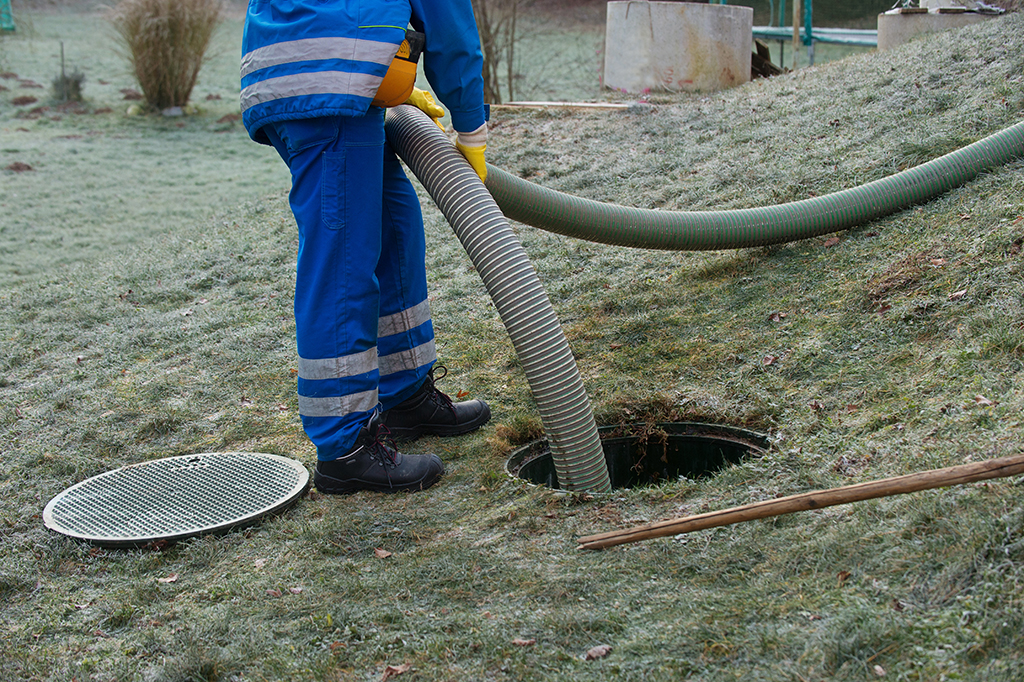
Maximizing the efficiency of a septic system is vital for maintaining a clean and healthy environment. Septic systems play a crucial role in managing wastewater in areas where access to a centralized sewer system is unavailable. Proper maintenance and service of these systems ensure functionality and longevity, preventing potential environmental hazards and costly repairs. This article will delve into essential septic system services, highlighting the importance of routine inspections, pumping, and troubleshooting, along with advanced strategies to optimize system performance.
Routine Inspections
Routine inspections are the cornerstone of efficient septic system maintenance. Regular checks help identify issues before they escalate into serious problems. Key areas of focus during inspections include:
- Assessing the sludge and scum levels in the tank.
- Checking the condition of baffles and filters.
- Inspecting the drain field for signs of saturation or failure.
- Evaluating the integrity of tank walls and lids.
By scheduling periodic inspections, homeowners can prevent minor issues from becoming major repairs. For more detailed information on conducting these inspections, discover expert strategies here.
Septic Tank Pumping
When to Pump
The frequency of septic tank pumping depends on several factors, including the size of the tank, the number of occupants in the household, and the volume of wastewater generated. Generally, tanks should be pumped every 3 to 5 years. However, it’s crucial to tailor the pumping schedule based on specific needs and conditions. Learn about our tailored solutions for determining the optimal pumping frequency.
Benefits of Regular Pumping
Regular pumping offers numerous benefits, such as:
- Preventing sewage backups and system failures.
- Reducing the risk of contamination in nearby water sources.
- Extending the lifespan of the septic system.
- Enhancing the overall efficiency of wastewater treatment.
Ensuring that the septic tank is pumped regularly is an investment in the long-term functionality and reliability of the system.
Troubleshooting and Repairs
Despite best efforts, septic system issues can arise, necessitating professional troubleshooting and repair services. Common problems include clogged pipes, malfunctioning pumps, and damaged tanks. Addressing these issues promptly is critical to maintaining system efficiency and preventing environmental hazards.
For guidance on identifying and resolving common septic system problems, explore advanced guides and tips.
Advanced Strategies for Efficiency
In addition to regular maintenance, employing advanced strategies can further enhance septic system efficiency. Consider implementing the following approaches:
- Using water efficiently to reduce the volume of wastewater entering the system.
- Installing high-efficiency toilets and faucets.
- Avoiding disposal of non-biodegradable items down the drain.
- Planting grass or shallow-rooted plants over and near the drain field to avoid root interference.
These practices not only improve system performance but also contribute to environmental conservation. Find out more about this approach to enhance the sustainability of septic systems.
In conclusion, maximizing the efficiency of a septic system requires a combination of regular maintenance, timely repairs, and strategic usage practices. By adhering to these essential services and integrating advanced strategies, homeowners can ensure their septic systems function optimally, safeguarding both their property and the environment. For comprehensive insights into septic system management, consider exploring expert resources and tailored solutions that address unique system requirements.