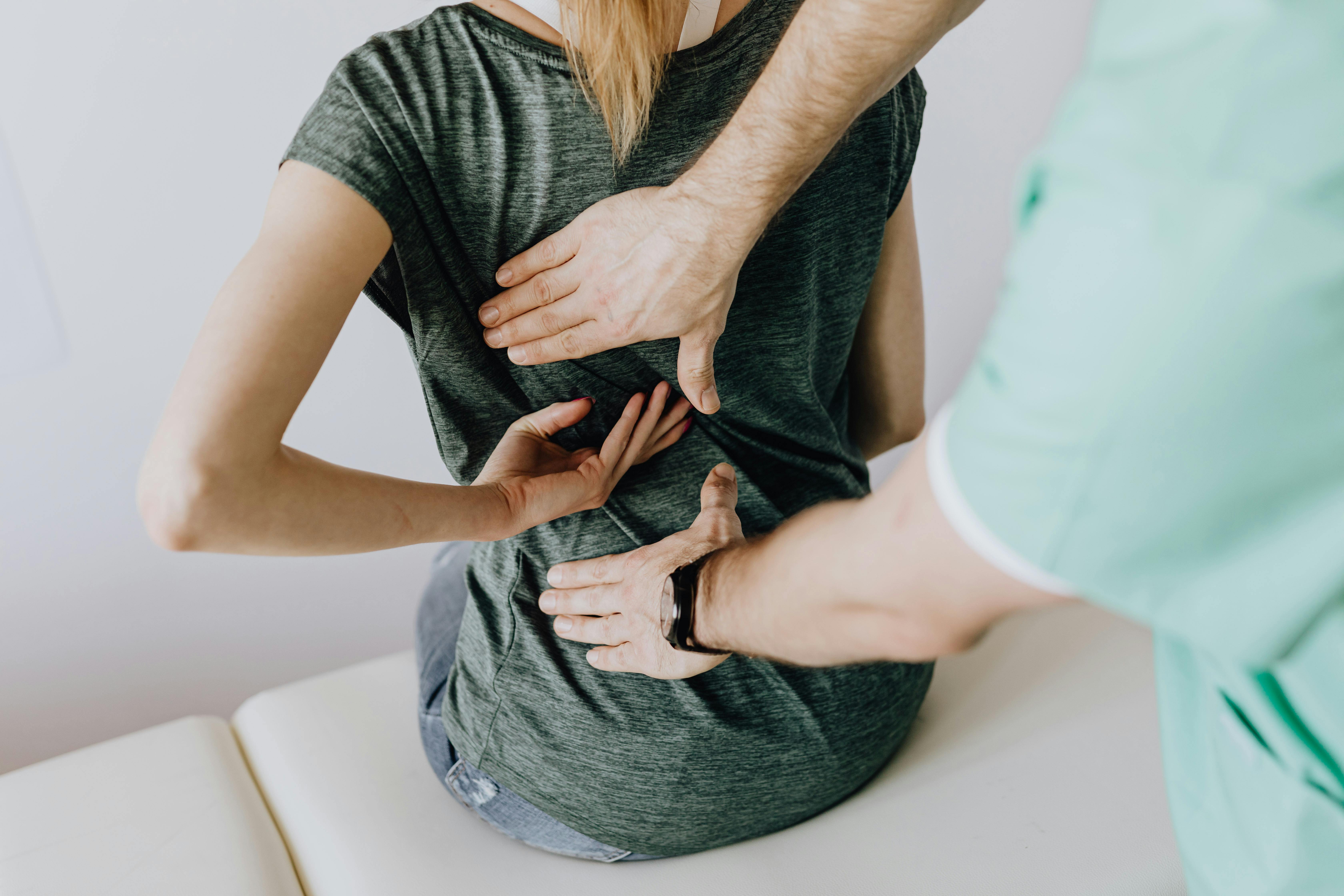
Degenerative disc disease (DDD) is a common age-related condition that affects the intervertebral discs of the spine, leading to pain, reduced mobility, and a diminished quality of life. While the natural aging process contributes to disc degeneration, a comprehensive disc recovery protocol can help mitigate symptoms, promote tissue healing, and restore functional capacity. This article outlines the key components of such a protocol, emphasizing evidence-based strategies that integrate lifestyle modification, targeted therapies, and ongoing monitoring.
Understanding Degenerative Disc Disease
Intervertebral discs act as shock absorbers between vertebrae, consisting of a gelatinous nucleus pulposus surrounded by a tough annulus fibrosus. Over time, dehydration, loss of proteoglycans, and micro-tears can compromise disc integrity. The resulting biomechanical changes may cause:
- Localized back or neck pain
- Radiating nerve irritation
- Reduced spinal flexibility
- Height loss of the affected disc space
Early identification of these signs, combined with a structured treatment plan, can slow progression and improve outcomes. For a deeper dive into the condition’s mechanics, Read more about this topic.
Core Elements of a Comprehensive Disc Recovery Protocol
1. Patient Assessment and Goal Setting
A thorough evaluation establishes a baseline and informs personalized goals. Essential components include:
- Medical history review (e.g., previous injuries, comorbidities)
- Physical examination focusing on range of motion, strength, and neurologic status
- Imaging studies such as MRI or CT when indicated
- Patient-reported outcome measures (e.g., pain scales, functional questionnaires)
These data points guide the selection of appropriate interventions and allow clinicians to track progress over time. Learn more in this detailed guide.
2. Lifestyle Optimization
Modifiable risk factors have a significant impact on disc health. Recommendations include:
- Weight management: Reducing excess body weight decreases axial load on the spine.
- Ergonomic adjustments: Proper workstation setup and safe lifting techniques minimize repetitive strain.
- Physical activity: Low-impact aerobic exercise (e.g., walking, swimming) promotes circulation and disc nutrition.
- Smoking cessation: Nicotine impairs blood flow and disc cell metabolism.
Adopting these habits not only supports recovery but also lowers the risk of future degeneration. Explore further insights here.
3. Therapeutic Exercise Program
Targeted exercise is the cornerstone of disc rehabilitation. A progressive program typically follows three phases:
- Phase I – Stabilization: Core activation drills (e.g., transverse abdominis bracing) and gentle flexibility work.
- Phase II – Strengthening: Resistance training for spinal extensors, gluteal muscles, and lower-limb stabilizers.
- Phase III – Functional Integration: Dynamic movements that mimic daily activities, emphasizing proper biomechanics.
Each phase should be supervised initially to ensure correct technique and to prevent aggravation of symptoms. Find additional information here.
4. Manual and Instrument-Based Therapies
Adjunctive hands-on techniques can complement exercise by addressing soft-tissue restrictions and improving joint mobility. Common modalities include:
- Spinal mobilization/manipulation
- Myofascial release
- Instrument-assisted soft-tissue mobilization
- Therapeutic ultrasound or low-level laser therapy (when evidence supports use)
These interventions are most effective when integrated within the broader protocol and tailored to individual tolerance. Read more about this topic.
5. Pain Management Strategies
While the goal is to minimize reliance on medication, short-term pharmacologic support may be necessary. Options include:
- Non-steroidal anti-inflammatory drugs (NSAIDs) for acute inflammation
- Acetaminophen for mild to moderate pain
- Muscle relaxants for spasm relief
- Consideration of epidural steroid injections in refractory cases (performed by qualified clinicians)
Non-pharmacologic alternatives such as transcutaneous electrical nerve stimulation (TENS) and mindfulness-based stress reduction can also aid pain control. Learn more in this detailed guide.
6. Regenerative and Biological Approaches (Emerging Options)
Research into biologic therapies is evolving. Techniques under investigation include:
- Platelet-rich plasma (PRP) injections
- Stem-cell-derived mesenchymal cell therapy
- Growth factor supplementation
While promising, these treatments remain experimental and should be considered only within clinical trials or after thorough risk-benefit discussion. Explore further insights here.
Monitoring Progress and Adjusting the Protocol
Regular follow-up is essential to evaluate effectiveness and modify the plan as needed. Key metrics include:
- Changes in pain intensity (e.g., Visual Analog Scale)
- Improvements in functional scores (e.g., Oswestry Disability Index)
- Objective measures of strength, flexibility, and endurance
- Patient satisfaction and adherence to home-exercise regimens
Documentation of these outcomes supports evidence-based decision making and helps prevent unnecessary escalation of care. Find additional information here.
Conclusion
A comprehensive disc recovery protocol combines accurate assessment, lifestyle modification, structured exercise, manual therapies, judicious pain management, and, when appropriate, emerging regenerative options. By addressing the multifactorial nature of degenerative disc disease, this integrative approach aims to reduce pain, restore mobility, and improve overall quality of life. Consistent monitoring and individualized adjustments ensure that treatment remains aligned with patient goals and the latest clinical evidence.