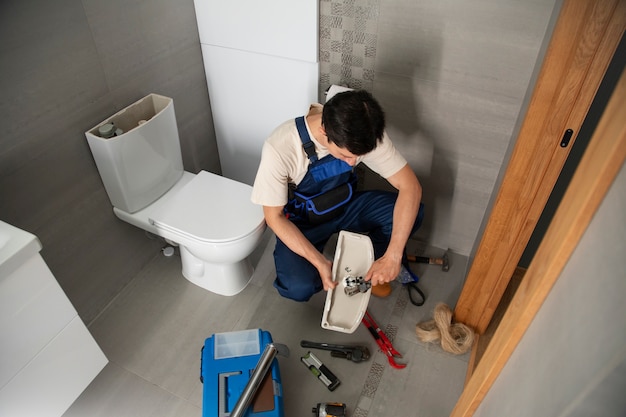
Installing fixtures can be a daunting task for many, yet it is crucial for maintaining the functionality and aesthetic of a space. Whether dealing with bathroom faucets, kitchen sinks, or lighting fixtures, proper installation ensures longevity and safety. This article provides essential tips to ensure successful fixture installation, empowering both homeowners and professionals alike to achieve optimal results. For those seeking more comprehensive guidance, Discover expert strategies here.
Preparation is Key
Before any fixture installation, thorough preparation is essential. This foundational step helps prevent complications and ensures a smooth process.
- Assess the area: Ensure the space is suitable for the fixture and check for any hidden obstacles, such as electrical wiring or plumbing.
- Gather the right tools: Common tools include screwdrivers, pliers, and wrenches. Having the proper equipment on hand can save time and effort.
- Read the instructions: Each fixture comes with specific installation instructions. Understanding these details can prevent mistakes and reduce installation time.
Understanding Fixture Types
Different fixtures require different installation techniques. Whether dealing with plumbing, electrical, or other types, knowing the requirements for each is crucial. Learn about our tailored solutions for various fixture types.
Plumbing Fixtures
When working with plumbing fixtures, ensure compatibility with existing plumbing systems to avoid leaks and water damage.
- Check water pressure: High or low water pressure can affect fixture performance and longevity.
- Use quality materials: Opt for durable materials like stainless steel or brass to ensure a reliable connection.
Electrical Fixtures
Safety is paramount when installing electrical fixtures. Proper knowledge and adherence to safety standards are imperative.
- Turn off the power: Always switch off the power at the circuit breaker before beginning any electrical work.
- Use appropriate wiring: Ensure that the wiring is suitable for the load and complies with local electrical codes.
Installation Best Practices
The installation process varies depending on the fixture but following these best practices can lead to successful outcomes. Explore advanced guides and tips to enhance installation techniques.
- Level the fixture: Use a level to ensure the fixture is straight. This prevents operational issues and enhances visual appeal.
- Secure connections: Whether plumbing or electrical, ensure all connections are tight and secure to prevent leaks or short circuits.
- Test the fixture: After installation, test the fixture to ensure it functions correctly and make adjustments if necessary.
Post-Installation Checks
Once the fixture is installed, post-installation checks are vital to confirm everything is in working order. Find out more about this approach to ensure long-term success.
- Inspect for leaks: For plumbing fixtures, run water and check for any leaks around joints and connections.
- Test safety features: Ensure all safety features, such as GFCI outlets for electrical fixtures, are operational.
- Perform a function test: Operate the fixture under normal conditions to confirm it performs as intended.
In conclusion, successful fixture installation requires careful preparation, understanding of fixture types, adherence to best practices, and thorough post-installation checks. For those seeking additional assistance or more detailed information, professional resources are available to guide the process. For a deeper dive into specific techniques and strategies, Explore advanced guides and tips.